
Shipping bulky memory foam pillows is eating into your profits. With freight costs always changing, this uncertainty makes it hard to plan and stay competitive. Let me show you how.
The best way to save on shipping is by compressing the pillows. But this must be done correctly. You need a reliable supplier who uses high-quality, dense foam and proven compression technology. This ensures your pillows will rebound perfectly after their long journey to your customers.
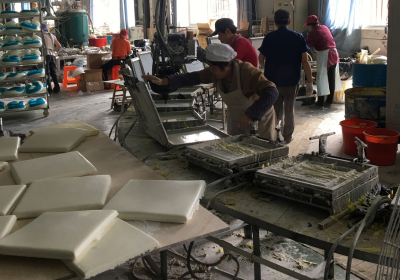
I know that saving on shipping is a top priority for any business owner. Memory foam products are fantastic, but their size can make shipping a real headache. The key is to reduce their volume through compression. But compressing pillows isn't as simple as it sounds. So, how can you be sure the pillows will bounce back to their original, fluffy shape after being squeezed into a small box for weeks? It all comes down to the quality of the product and the supplier you choose. Let's look at what really matters.
How does foam quality affect rebound after compression?
Are you worried that your compressed pillows won't expand? This can lead to angry customer reviews. Cheap materials can fail, damaging the reputation you worked so hard to build.
Foam quality, especially its density, is the most important factor for rebound. High-density memory foam has a strong cell structure. It can handle compression and bounce back fully. Low-density foam is cheaper but often fails to recover, leaving you with flat, unsellable products.
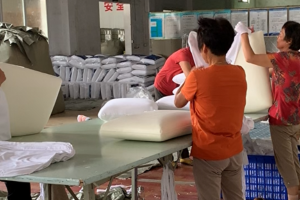
When we talk about density, we are not talking about how hard or soft the pillow feels. Density refers to the weight of the foam in a specific volume, usually measured in kilograms per cubic meter (kg/m³). Higher density means more raw material was used to create the foam. This creates a stronger, more durable internal structure. I once had a new client who insisted on the absolute lowest price. The supplier they found used a very low-density foam. The pillows looked fine in the pre-shipment photos. But after being compressed for a month during sea transit, over half of the shipment never recovered its shape. It was a very expensive lesson for my client. A good memory foam pillow should have a density of at least 45kg/m³.
Here is a simple table to show the difference:
| Feature | Low-Density Foam (<40 kg/m³) | High-Density Foam (>45 kg/m³) |
|---|---|---|
| Rebound Ability | Poor, high risk of failure | Excellent, reliable recovery |
| Durability | Low, flattens quickly | High, lasts for years |
| Support | Minimal | Conforming and supportive |
| Cost | Cheaper initially | Higher initial cost |
Paying a little more for higher-density foam isn't an expense. It's an investment in your product quality and your brand's reputation.
What compression techniques should my supplier use?
You found a supplier, but you are not sure if their compression methods are reliable. The wrong technique can permanently damage the pillows, even if the foam quality is good.
A good supplier uses professional vacuum compression machines that apply even pressure. They must also control how much they compress the pillow and for how long. Ask them if they use a "roll-packing" machine, which is much safer for the foam than simply folding it flat.

In my years visiting factories, I have seen two main ways suppliers compress pillows. You need to know which one they use.
Simple Folding and Pressing
This is a low-cost method. Workers fold the pillow by hand and put it into a simple pressing machine. This process creates a lot of stress on the fold line. The foam cells in that area can be crushed permanently. If a supplier shows you pictures of pillows that are just folded in half and flattened, it is a big red flag. The risk of the pillow not recovering is very high with this method. I always tell my clients to avoid suppliers who use this technique.
Professional Roll-Packing
This is the method you should look for. The pillow is placed into a machine that compresses it evenly and then rolls it into a tight cylinder. This process distributes the pressure across the entire pillow. There are no sharp folds to damage the foam structure. This professional technique greatly increases the chances of a full and perfect rebound. It also creates a smaller, neater package that is easier for your customers to handle. A supplier who invests in this machinery is serious about quality.
Can I test a supplier's quality before placing a large order?
You do not want to risk a huge investment on an unproven supplier. A bad shipment could mean thousands of dollars lost and many unhappy customers. You need a way to be sure.
Yes, you must test before you buy. Ask the supplier for compressed samples. Tell them to keep the samples compressed for the same amount of time as your actual shipping will take. This simple test will show you the true quality of their product and process.
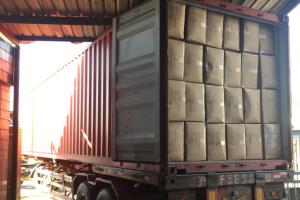
This testing process is a non-negotiable step for all of my clients. It protects you from big problems later. If a supplier refuses to do this test, you should walk away. A manufacturer who is confident in their product will be happy to prove its quality. Here is the simple process I use with my partners.
Step 1: Request Specific Samples
Do not just ask for a normal sample. Ask for a sample that is compressed and packed using their mass-production machine. This ensures you are testing the real thing, not a perfect handmade sample.
Step 2: Simulate Shipping Time
This is the most critical part. Let's say shipping from the factory to your warehouse takes 30 days. You need to ask the supplier to compress the pillow and then hold it in their warehouse for 30 days before they ship it to you by air. This mimics the real-world stress the pillow will face.
Step 3: Document the Unboxing
When you receive the sample, use your phone to record a video of you opening it. Note how long it takes to expand. A high-quality pillow should recover about 90% of its shape within a few hours. It should be fully recovered within 24 to 48 hours. Check for any lasting creases or flat spots. This video is your proof of quality.
Conclusion
Saving on shipping is smart, but never at the cost of product quality. Focus on finding a supplier with high-density foam and professional roll-packing technology to protect your business.